
You rarely get to meet the people behind a brand. At most you might furtively glimpse them, yet never really engage with them. My encounter with the Grenson team, however, was everything but that. Every single person I met from the design team, from PR to commercial, was incredibly fun and delightful. I could see the pleasure they have working together and the passion behind the brand. I can also understand why Grenson is such a success story and how it helped the company created 150 years ago in Northamptonshire, UK, to become one of the most sought-after shoe brands in the menswear industry in less than ten years.
I had the chance to chat with Tim Little a few weeks ago in New York about his first 10 years as Grenson's mastermind and designer.
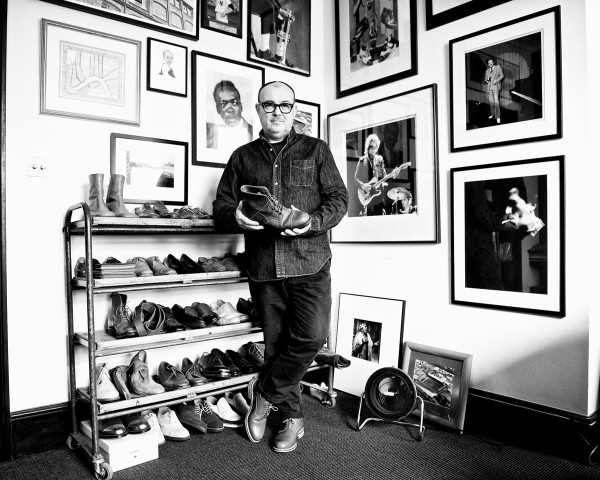
About taking over Grenson 10 years ago
The most important thing for me was to understand what Grenson was, what was the DNA of the company. Grenson was 140 years old when I took over. I don't think you can reinvent a company from scratch. You have to take it as it is and adapt yourself to what's there. You also have to assess what is relevant today and create the right balance, to adapt it to the modern market.
On our design process
A lot of our shoes are based on traditional styles like the brogues, the loafer, the Chelsea boots, so we kept that base and played around as much as we can with the soles, the material, the shape and recreating that modern balance. We want to be able to talk to a young customer and also to his father. Never forget the core of what Grenson is about. It was also important for us to keep it fresh and contemporary in order to reflect the world we live in, a more internationally connected, slightly more trendy one.
On sourcing
We go to leather trade shows (Paris and Milan), and also other tanneries, not necessarily shoe tanneries and try new things just to introduce novelty and experiment with new materials. We take a lot of existing shoes and see what we can introduce to them, see what our options are. We usually experiment with popular styles so our customers can understand the concept like we did with the Triplewelt. It's an ongoing conversation between what we are and what we can do according to the moment, the season and what we aim for. We are cherishing Grenson's heritage but we want to embrace its future.
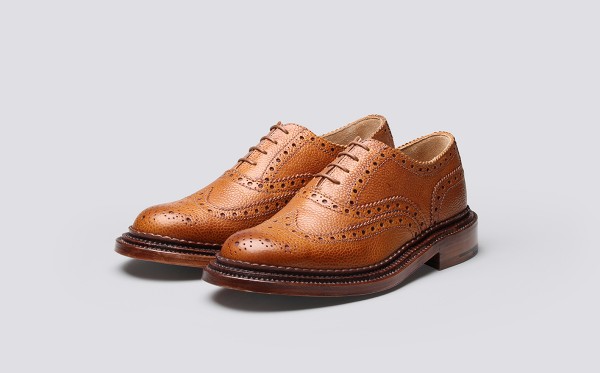
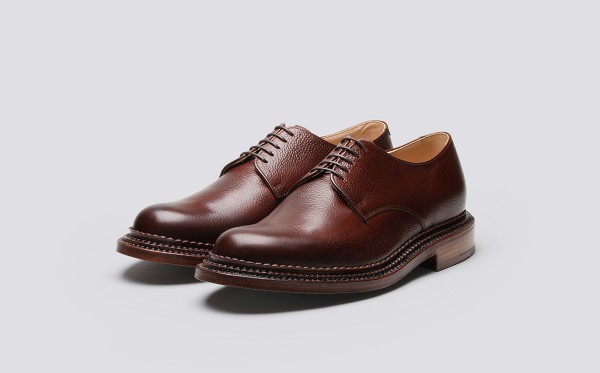
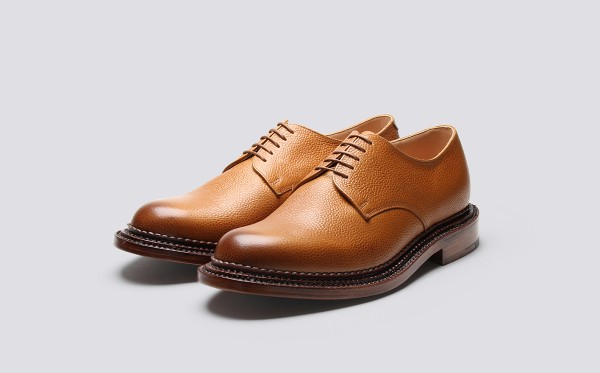
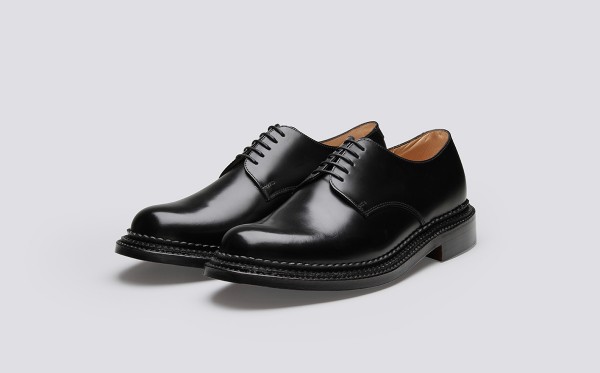
On the Triplewelt
The creation of the Triplewelt is a perfect example of what Grenson is about. A guy in the factory who does the welts came to me with this idea to do something different with the welt, to make it look more exciting. He makes a prototype, quite interesting but not bold enough. So I suggested to make it wider, more massive. He redid it several times until we got this version.
But then he asked me to not show it to anyone. "I can do a sample but can't produce a large order" he told me. "Why don't you practice until you get there?" I said. Eventually, after a few months, he finally told me "I'm ready!". We showed the first sample at the following Pitti Uomo and our buyers loved it and ordered immediately. It was almost a year of intense work, but nicely rewarded.
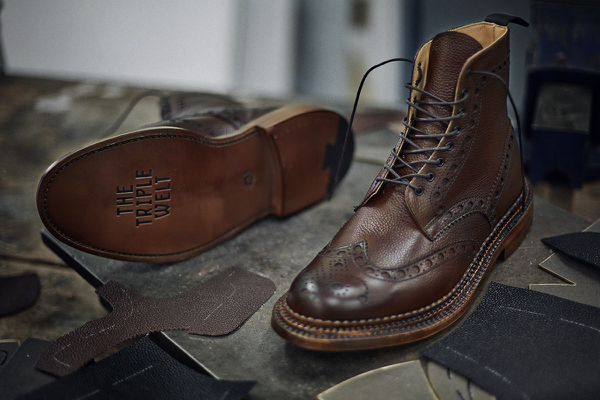
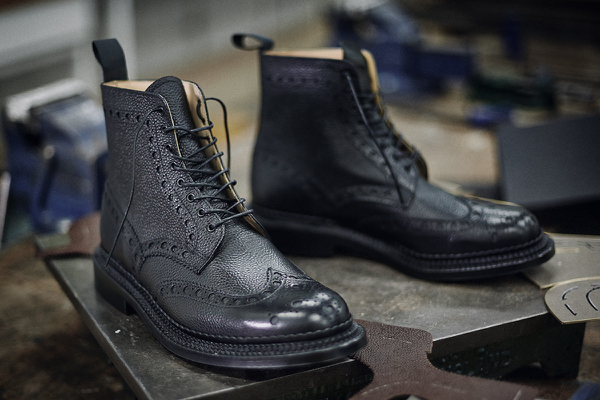
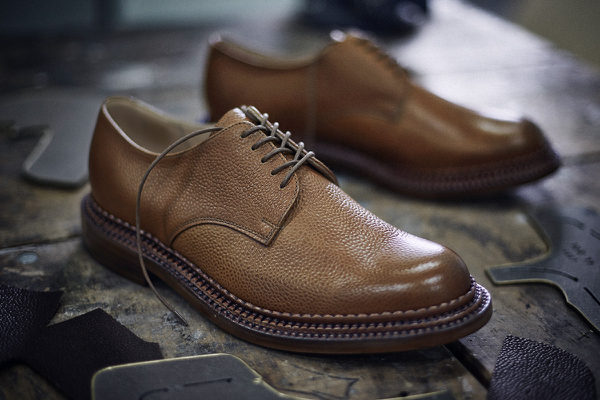
What I really like about this is that the key features of the shoes are not from the design team but from the guy in the factory. It's a real proper artisan work from him having this idea, solving technical difficulties, and then producing it. It's a totally different process starting from a construction point of view and not a designer's brain. We don't know that many brands working this way. It's also a chance for us to have this factory and highly skilled workers who can come to us with ideas. They love and care about Grenson as much as we do.
On being a British brand
When people ask about the Britishness of Grenson, I always respond that there are two ways of being British. One is stuffy, old fashioned, stiff, pompous and the other side, the one that we like, is more quirky, a sort of a dry sense of humour. We love this side of us. It's important for us to maintain this distance from what we are and play with it, and be more influenced by the world.
Photo credits: Portrait and products / Grenson – Factory: The End Clothing